
MOMENTUM BLOG

How Can AI Understand Us When We Still Don’t Understand Ourselves?
AI can process information and recognize patterns, but can it understand intention, context, and human nuance? Christa Clark explores how AI can reproduce our blind spots—and why leaders must remain accountable for the decisions they automate.

Committed to Being Right?
Being right can feel convincing, especially when we can build a logical case for our perspective. Eduardo Lan reflects on recognizing his own blind spots—and why personal growth begins when we choose the outcome, the relationship, or fulfillment over proving ourselves right.

When the World Turns the Other Way
When the world seems to turn the other way, how much choice do we have in how we respond? Craig Clark explores meditation, gratitude, connection, and the discipline of shifting our attention toward what elevates us—and considers what that practice could mean for individuals and organizations.

Love Everybody and Tell the Truth
Clear expectations start with telling the truth—and making sure the other person actually hears what you mean. Caitlyn Rose explores how honest communication, active listening, and a willingness to clarify can create greater alignment, trust, and performance at work and beyond.

Why Do We Keep Score?
Keeping score isn’t only about knowing whether you won. It shows you where you are, what’s working, and what needs to happen next. Martha Lynn Mangum looks to football—and legendary coach Vince Lombardi—for lessons on accountability, collaboration, and achieving results as a team.

What If? Finding a Way When You Don’t Have the Answer
Where do ideas come from—and can we create the conditions for better ones? Brett Morris explores how curiosity, imagination, and a willingness to ask “What if?” can help us Find a Way when the answer isn’t obvious.
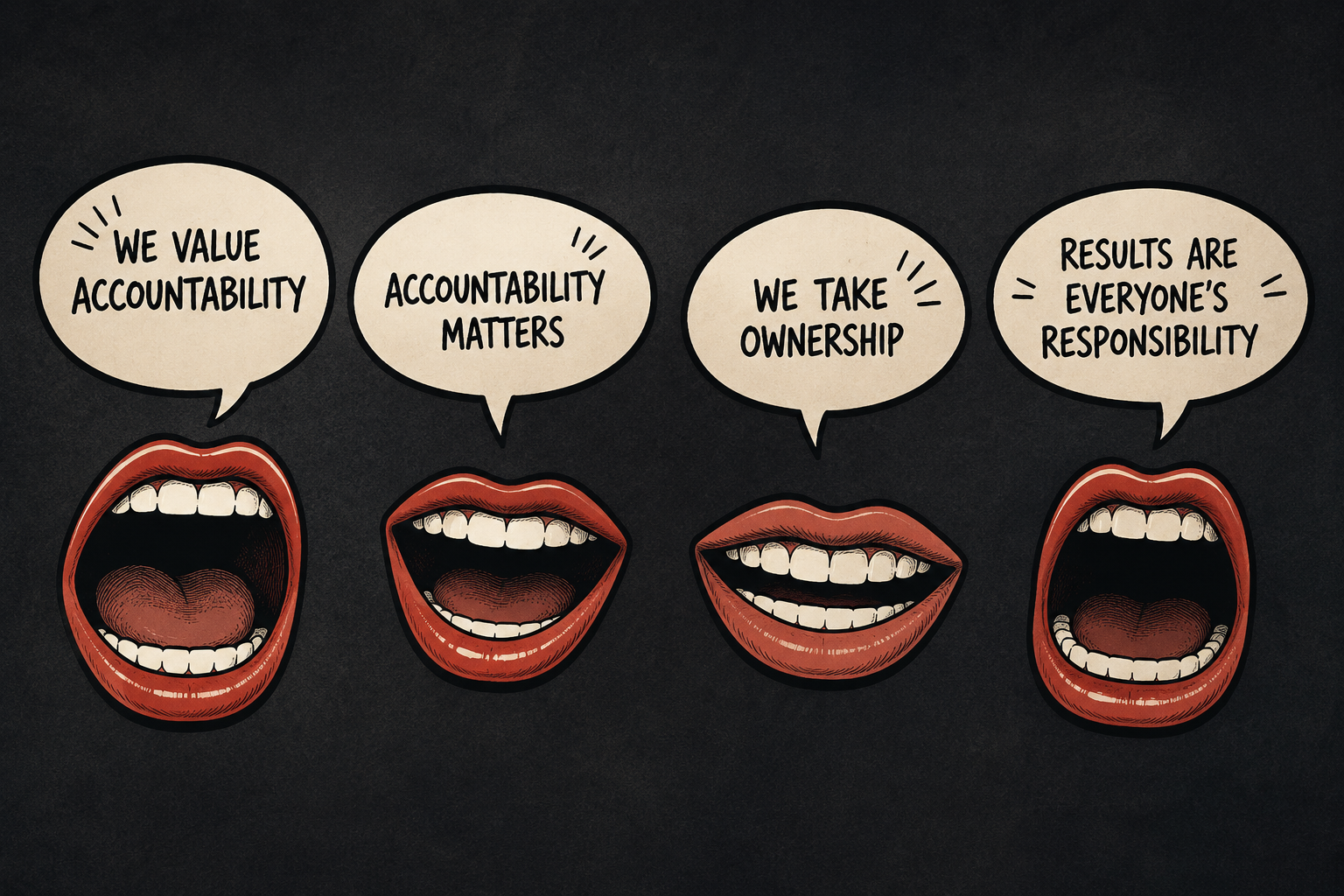
Accountability Is Not the Same as Blame
Many organizations say they value accountability, yet often mistake it for blame. Tracey Nelson explores why accountability is really about ownership, personal responsibility, and creating a workplace culture where people willingly engage rather than fear being blamed.

Are You Afraid to Disturb the (Perceived) Balance?
Many teams mistake silence for harmony. In reality, avoiding difficult conversations often hides unresolved issues that weaken trust and collaboration. Discover how leaders can foster psychological safety, encourage honest dialogue, and build stronger, healthier teams through generous listening and courageous conversations.

Leave Room for the Unexpected
Some of the best moments in life—and at work—don't always come from the plans we carefully make. In this reflection, we explore why leaving room for the unexpected can make us more adaptable, resilient, and ultimately more effective in the way we work with others.

We Didn't Fail to Build Go-Getters; We Trained Them Not to Be
Many leaders say they want employees to think like owners, yet their workplace often teaches the opposite. Christa Clark explores why initiative disappears, how organizations unintentionally reward silence, and what leaders can do to build cultures where accountability and ownership actually thrive.

The Bottomless Pit
Success can become a bottomless pit if it's pursued for its own sake. Eduardo Lan shares how a workshop in a Bolivian mine reminded him that lasting fulfillment comes not from achievement, but from serving others with curiosity, humility, and genuine care.

Are Marriage Vows the Power That Drives Long-Term Success?
For 40 years, Craig Clark has worked to live up to the promises he made before he ever reached the altar. In this personal reflection, he explores the difference between vows and commitments, the role of purpose in sustaining relationships, and why promises kept can shape a meaningful life.

The Unexpected Gift of Surrender
When Caitlyn Rose Clark learned she was expecting a baby, she realized life was unfolding according to a timeline far greater than her own. In this reflection, she shares how pregnancy has deepened her understanding of surrender, trust, and the freedom that comes from letting go of the need to control every outcome.

Weeding Your Mental Garden
As summer brings vitality, movement, and growth, it also offers a powerful reminder: what we tend will flourish. In this reflective piece, Martha Lynn Mangum explores how the simple act of weeding becomes a metaphor for releasing thoughts, behaviors, and expectations that no longer serve us.

The Rebel’s Paradox: Giving Up the Need to Be Right
What if the most rebellious thing we could do is question our own certainty? In this reflective piece, Brett Morris explores confirmation bias, emotional attachment to our beliefs, and the uncomfortable freedom that comes from letting go of the need to always be right.

Direct Doesn't Mean Rude
Being direct is not the same as being rude. When leaders communicate clearly and respectfully, they build trust, resolve issues faster, and strengthen team relationships.

The Leadership Test: Finding the Space Between Stimulus and Response
Leadership is often revealed in the moments when emotions run high. A critical email, an unexpected setback, or a shifting priority can trigger an immediate reaction. The most effective leaders learn to pause, process, and respond with intention. In that space between stimulus and response lies the power to build trust and lead with maturity.

Act With Integrity: When Your Values, Words, and Actions Move in the Same Direction
Integrity is more than honesty. It is the disciplined practice of aligning what you believe, what you say, and what you do. When leaders live from this place of alignment, they create trust, credibility, and cultures where people feel safe to do the same.

The Hardest Thing I Ever Had to Learn About Making an Impact
You can’t make an impact on people you’ve pushed away. Eduardo Lan reflects on the hard lesson that shifted his approach to leadership, from relentless pressure to human-centered impact.

FLYING IN ITSELF IS NOT INHERENTLY DANGEROUS, JUST INHOSPITABLE TO CARELESSNESS OR MISTAKES
What if the most effective business strategy isn’t more complexity—but more decency? Craig Clark explores how people-first organizations consistently outperform the rest.
FEATURED BLOG POSTS


Check out the latest from our blog

Valuable Leadership tools, direct to you:
Join the Coaching Moments insiders list to receive a weekly email with coaching tips and leadership insights.
We promise to only send you the good stuff.
Martha Lynn Mangum shares a deeply personal story of transformation—from losing stability to finding purposeful work that truly lights her up. If you’ve ever felt stuck, this one’s for you.